The question nobody asks (until it’s too late)
.jpg)
How do you harness a consultant’s analytical power for something you can’t capture in a spreadsheet? For instance, the resilience of a neighborhood? At Deloitte, we deliberately apply our expertise to answer the most pressing societal challenges. Our society’s resilience is a crucial example. In Rotterdam’s neighborhoods, including Bloemhof, Marjon Stijger, Senior Consultant Resilience, Crisis & Reputation, and Mark Hendriks, Director, support an initiative launched by Mayor Carola Schouten. Together with residents, the City of Rotterdam, the Red Cross, the Safety Region Rotterdam-Rijnmond, Ahold, and other local partners, are building what the mayor calls “collective self-reliance.” Marjon and Mark share more about this unique collaboration, the surprising insights from the neighborhood, and the societal value that consultants can add to the resilience of us all.
Picture this: the power goes out. Not for an hour, but for five days. Schools remain closed, ATMs are out of order, and the pharmacy’s cooling systems fail, rendering life-saving medication unusable. What do you do? Your first thought might be 'Do I have my emergency kit in order?' Are my family and loved ones safe?” But as time passes, you begin to realize, your emergency kit might not be sufficient…
'An emergency kit alone is not always the solution,' explains Mark. 'That’s why we assisted the Bloemhof project - an initiative organized by the City of Rotterdam. The program started in the Bloemhof neighborhood and was subsequently expanded to five other neighborhoods. We focused neighborhoods with diverse profiles: some have strong local networks, others are more vulnerable, or conversely, relatively self-reliant. This variation helped us understand what support was needed where.' The goal is twofold, Mark continues: 'To strengthen awareness that self-reliance is important, and to shift focus toward collective self-reliance: what can residents, entrepreneurs, and professionals mean to each other when it matters?'
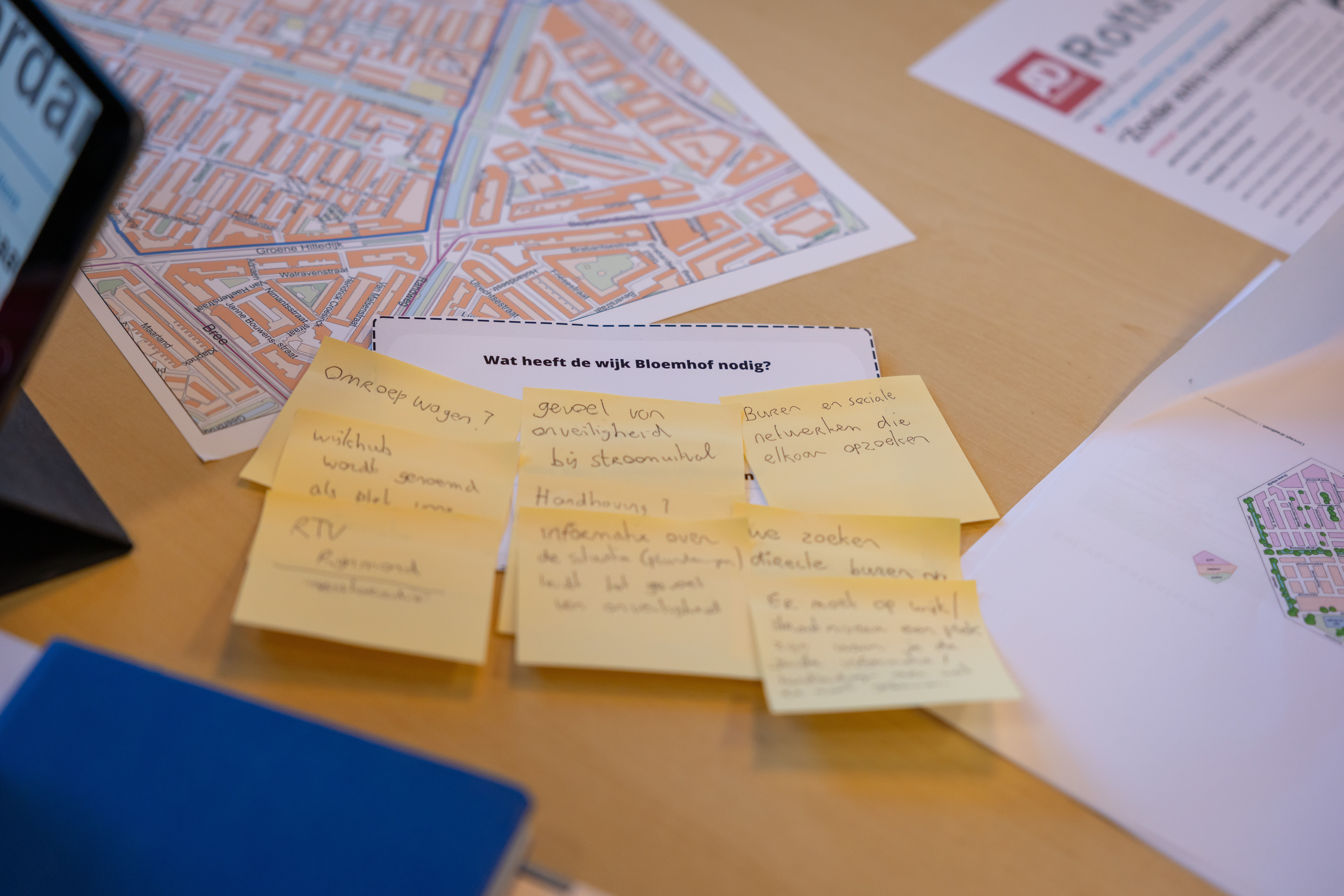
'It all starts with awareness,' adds Marjon. 'That’s why we ask the critical question: what does this neighborhood truly need, and what (hidden) strengths are already present? At Deloitte, we developed and rolled out a methodology to map those specific needs and strengths. By connecting the two, we help the neighborhood develop its own initiatives that strengthen resilience from within.'
'We bring our deep experience with crisis exercises, which we normally deploy at boardroom level, to the heart of the neighbourhood.'
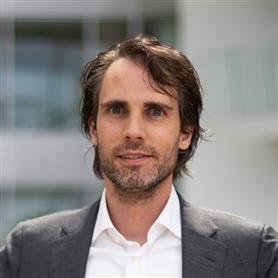
Marjon Stijger | Senior Consultant Resilience, Crisis & Reputation
Collaborating with key partners
You cannot strengthen a neighbourhood’s resilience from behind a desk. That’s why we step into the neighbourhood with our partners as a connecting and analytical force, to gather practice-oriented insights and translate them into an approach applicable to other neighbourhoods.
'This project has been a co-creation from day one,' Marjon explains. 'It’s strength lies in the diversity of stakeholders. We work in close collaboration with the municipality, which knows what’s happening in the neighbourhood; the Safety Region Rotterdam-Rijnmond provides information and links about existing crisis structures; the Red Cross’s expertise in emergency aid is indispensable; Albert Heijn plays an important role in managing the supply chain of basic necessities; and lastly, local neighbourhood teams and volunteer networks form the crucial link with residents.'
Understanding the residents’ lived reality
To make a crisis tangible, it’s essential to connect with residents’ lived reality. 'You have to understand the social demographics and mapping of a neighbourhood,” Mark explains. “In one area, the mosque is the central hub; in another, the football club. By identifying these places, you ensure you reach the right people.'
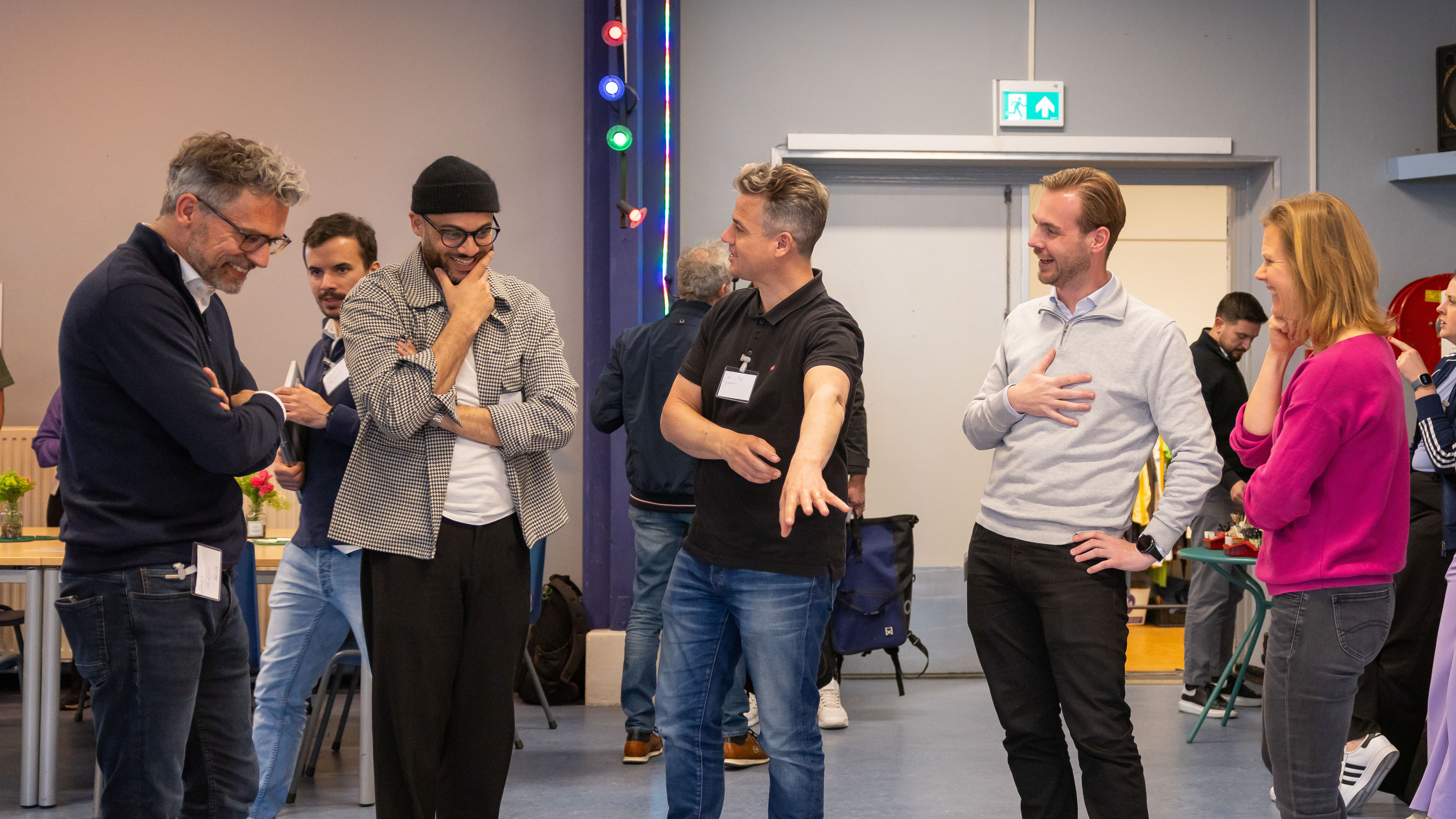
That local knowledge forms the basis for the realistic scenarios the team develops. 'For example, we create a physical newspaper about a prolonged power outage, with a photo of the nearby supermarket, a local school that closes, ensuring it’s recognisable and comes alive for residents,' Marjon adds. 'It makes the situation directly relatable and forces creativity in scenario design. We develop messaging that can function without power: a physical newspaper to spark a conversation, or an informative radio broadcasts.'
You could see this occur between residents. At first, the reaction was often: 'Oh no, I haven’t prepared anything.' But very soon that shifted to: 'What can we do for each other?' It led to the simplest, yet most powerful initiatives. Like the agreement: 'Don’t panic, we’ll meet each other in the stairwell.' A low-threshold plan that immediately creates a sense of safety and connection.
.JPG)
'To strengthen awareness that self-reliance is important, and to shift focus toward collective self-reliance: what can residents, entrepreneurs, and professionals mean to each other when it matters?'
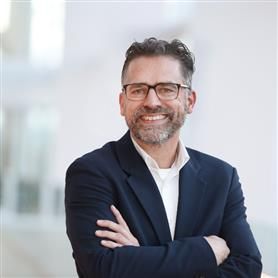
Mark Hendriks | Director Resilience, Crisis & Reputation
The role of connector and expert
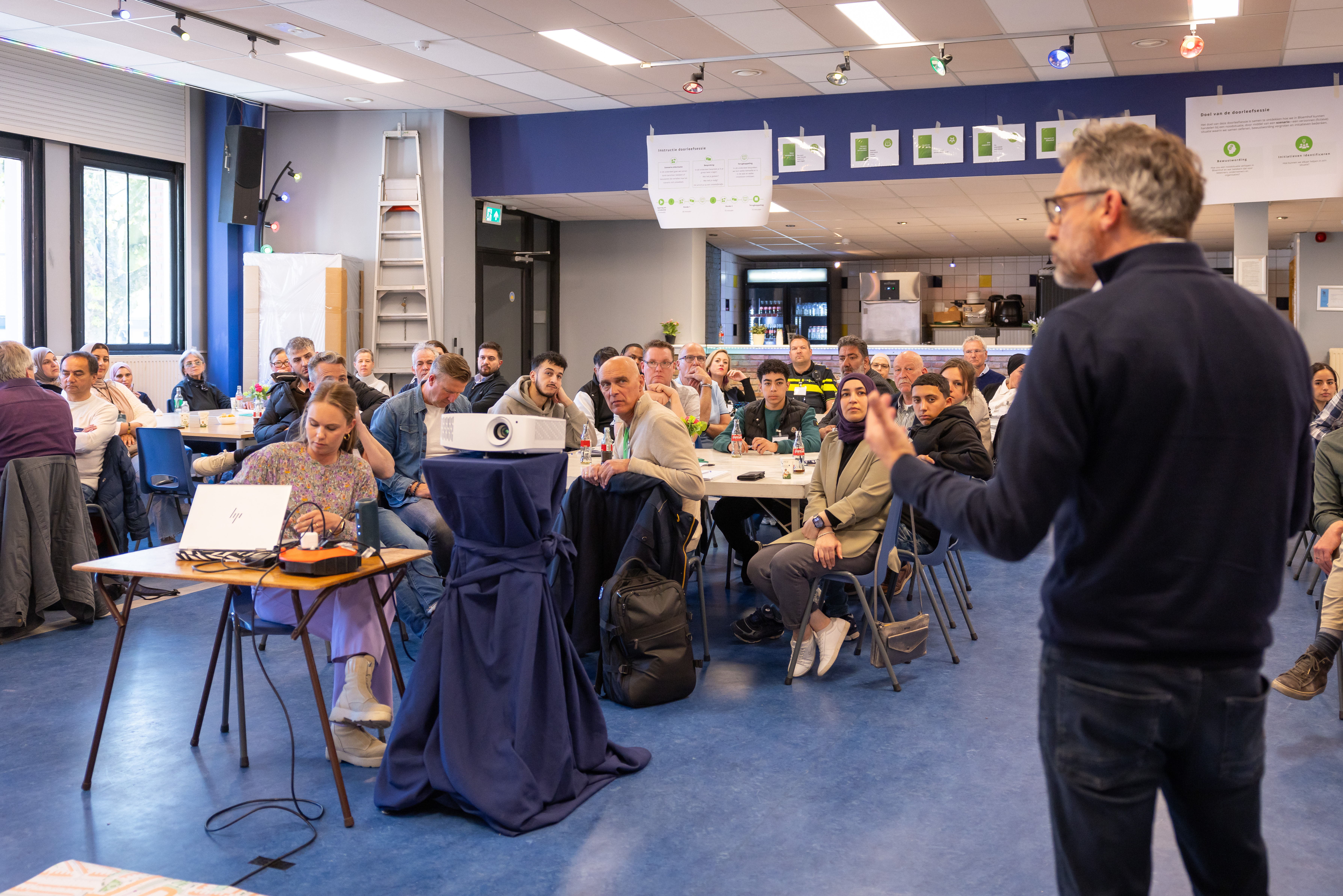
Our role in this project goes beyond providing advice. We are the developer of the methodology to advance resilience at neighbourhood level, the expert in crisis management, and the independent facilitator who brings all partners into alignment. That last role is especially essential. Marjon says, 'We bring our deep experience with crisis exercises, which we normally deploy at boardroom level, to the heart of the neighbourhood. The skill to guide a group and lead a complex conversation is crucial on such an evening.'
Ultimately, success from beginning to end is a team effort. Experts from the Crisis, Resilience & Reputation team formed the core. They brought deep knowledge of resilience and crisis management. But setting plans on paper as a team alone works less well. Marjon explains: “The real strength lies in connecting different worlds. That’s why we also worked with colleagues who, at first glance, might have nothing to do with the topic. For instance, a specialist from our Major Programs team worked on the project. The focus here was not on crisis management, but on human dynamics, effective collaboration with partners, and—characteristic of Major Programs—structurally securing results.
It’s that fusion of deep substantive knowledge and expertise in collaboration with successful project management that made it a success. And the drive behind this commitment is not commercial, Mark emphasises: 'We do this work entirely pro bono, from our conviction that we as an organisation have a societal role to fulfil.'
From one-time event to sustainable change
An inspiring evening is one thing, but how do you ensure that new initiatives don’t stall once the lights in the community center go out? 'Organising a one-time event is good, but real change lies in continuity,' Mark emphasises. “You have to follow through. That’s why, in collaboration with the municipality, the coordinating concept of ‘neighbourhood drivers’ was developed.” These are local champions who keep the fire burning.
The second, and perhaps even greater challenge, is reaching the most vulnerable residents: the people who often don’t attend an information evening. 'You have to be realistic: you won’t reach that group directly,' Marjon explains. 'That’s why we focus on key figures in their networks. Think of care facility staff who visit people with care needs, or volunteers at the food bank. They are the essential links. If you give them a seat at the table, you ensure that support reaches the right place through them.' It’s about building a sustainable, human network.
Where does the societal drive come from?
What drives Marjon and Mark? It goes beyond professional challenge. It’s concrete, societal impact. For Marjon, the satisfaction lies in the moment when the penny drops: 'When you’re sitting at the table and see residents realise what they can achieve together and develop ideas in abundance, that gives enormous energy.' Mark sees the societal value of the work in that. 'When we’re in Bloemhof, with residents who lay their vulnerabilities on the table, and at the end of the evening you get a genuine ‘thank you’…then we know: today we did the right thing. That is our win.'
Strengthening competitive advantage with AI: an Interview with the Deloitte Team behind the Boskalis transformation